The Burden of Individualism
The grand promises of individualism and independence have been ingrained in our culture for some time now. They have both promised us freedom, contentment, and liberation. It's often said that the further we go down these paths, the closer we get to a utopian-like society. The beginnings of these promises have a connection to when society as a whole stopped viewing communal living as the ideal and got sucked into more modern ideas of how we should relate to each other, to our work lives, and the broader society. This is its own version of individualization. In agrarian societies, work was centered around the home, or rather, the homestead. Who made up this home was not only husband, wife, and children, but also grandma, grandpa, uncle, aunt, and cousin. The nuclear family, as seen today, is a far more limited and individualized version of what was once a very lively and connected way of life with an extensive group of people that began in the family and filtered out into the larger community. In fact, there are many cultures around the world that still live in close quarters with their extended family. Of course the fact that a family lives and works together in the same area does not automatically give rise to harmonious living, but it can shed some light on the stark difference of the reality of many today when compared to pre-Industrial Revolution times. For those of us who lived and grew up in America, where the needs and preferences of the individual are prized over almost everything else, it is hard to imagine what it would be like to live in an actual community. Where most things are common things, freely shared and freely given.
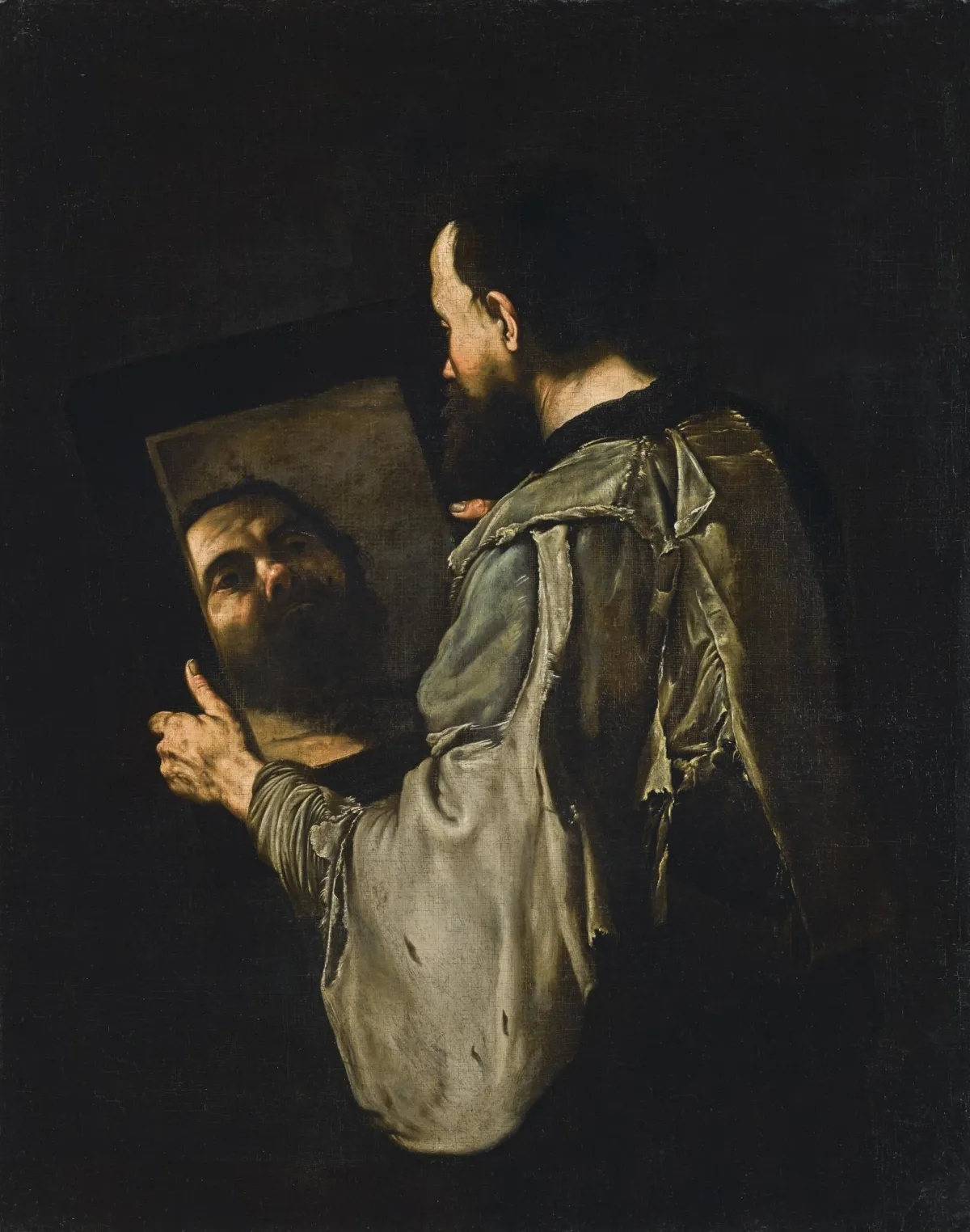
We value our space, our time, our freedom, our preferences. We think of ourselves primarily as individuals first, and based on that, we see how we can fit into the rest of society. The pursuit of happiness is primarily thought of on a personal level, how we can find happiness for ourselves and by ourselves. I must carve my own path and find my true destiny, my true purpose in the world. Whether we are talking about our sexual identities or what makes me “me”, we have been told that what most matters is who ‘we’ think we are. We have the last say in the matter. The emphasis and authority come from our own selves, from our own thoughts, somehow painted as original or organic or being “real” to ourselves. We should be careful with this type of language because something that has been dubbed as freedom is, in all actuality, a burden that we don’t have to carry.
It dawned on me why people are so drawn to the idea that we can define our own destiny, or declare our own truth, or create our own realities. We think this way because it is in complete alignment with everything we consume on the internet and in the media. Whether it is on Instagram, Facebook, or an ad in the middle of a football game, we are told that we have to discover what we are made of. All we have to do is look deep enough and long enough inside of ourselves, and we will find the answers that we are seeking. Sounds nice, doesn't it? When we have been told since a very young age that what truly matters is finding our own happiness and getting to do what we want to do, the natural conclusion to that is that what matters most can and should be found within ourselves.
The trouble with this is that it assumes that we are able to carry ourselves and our thought life in such a way that will actually lead to happiness. We like to pretend that how we think, feel, and interpret the world is purely original. That somehow, someway, we are impermeable. The illusion that we are under is that our minds are disconnected from our embodied reality. But this is just not the case. We are all swayed by the same things that are produced by the collective culture. How we decide how to individualize and conceptualize ourselves is directly affected by this collective culture, whether we like it or not. What is often experienced from listening to all of these competing voices that desire our attention, resources, and emotional buy-in is a cumbersome burden that has to be carried around day in and day out. The further we are disconnected from our embodied reality with ourselves, with each other, and with the physical world, the heavier this burden is going to feel. The only way out is through, through community and the shedding of all the pressures of trying to figure out“who we really are”.
The answer to “who we really are” is a lot simpler than we think and doesn’t live on an isolated island somewhere in the sea of our minds that we must go to great lengths to find on our own. Who we really are is defined by our relationships, our family, our habits, hobbies, jobs, where we live, and of course, our beliefs. In the beginning of the Christian movement, which were communities full of all types of people from varying backgrounds, people understood their identity and place in the world by virtue of the community they were a part of. This did not take away or diminish their individualities but actually allowed their individualities to play their proper role and to their fullest potential.
So much pressure is put on the modern person when we are told to individualize everything first, then see how that fits within the world. I believe that this is backwards, or perhaps just looking at it from the wrong angle. We do not have to try to figure things out on our own; this is not the way that we were built, and not the way towards the abundant life. Rid yourself of the over-individualized culture that we live in today, and be grafted into a community that you can pour into and will, in turn, pour into you. From this participation within a body, you will not only understand who you are at an intellectual level, but at an embodied level as well.